When a child becomes nearsighted, their glasses prescription may change as their eyes grow. Myopia control focuses on slowing that progression, not just correcting blurry distance vision. One option that may help is ortho-k, a custom contact lens worn overnight.
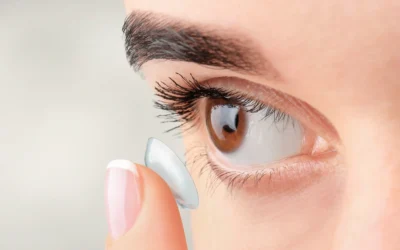
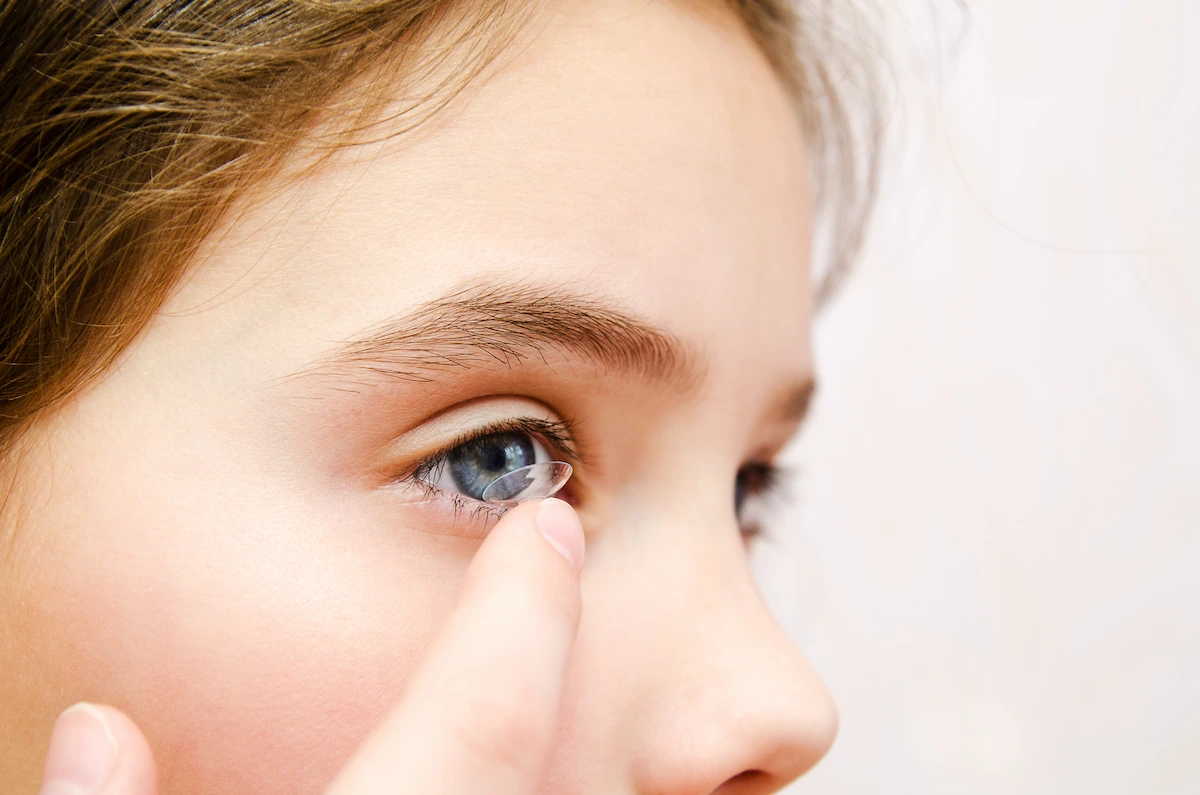
Ortho-k lenses gently reshape the front surface of the eye while your child sleeps. In the morning, they remove the lenses and may see clearly throughout the day without glasses or daytime contacts.
How does ortho-k help manage myopia?
Myopia occurs when the eye grows too long from front to back, causing light to focus in front of the retina instead of directly on it. Standard glasses and contacts correct vision, but they do not necessarily slow myopia progression.
Ortho-k lenses temporarily reshape the cornea overnight. During a myopia management consultation, we can determine whether these lenses are appropriate for your child and monitor changes in their prescription and eye growth.
Clinical studies reviewed by the American Academy of Ophthalmology found that ortho-k reduced axial elongation (the lengthening of the eye associated with myopia progression) by about 50% over two years compared with standard vision correction in studied children.¹ Results vary, and ortho-k does not cure myopia or permanently eliminate the need for vision correction.
What are the benefits of ortho-k for kids?
For children who are good candidates, ortho-k can offer several benefits:
- Clear daytime vision without glasses or contacts during school, sports, and activities
- A non-surgical option for managing progressing nearsightedness
- Custom lens fitting based on your child’s eyes
- A potential way to slow myopia progression during childhood
Because the lenses are worn at night, ortho-k can be a practical option for active kids who do not want to wear glasses or daytime contacts.
Who may be a candidate for ortho-k?
Ortho-k may be considered for children with progressing myopia when they and their parents can commit to nightly lens wear and hygiene. A child’s prescription, corneal shape, eye health, maturity, and lifestyle all matter when choosing a myopia management plan.
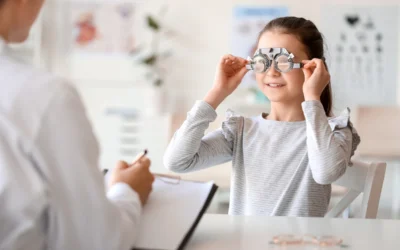
A pediatric eye exam is the best place to start. School vision screenings can identify some distance-vision concerns, but they do not replace a comprehensive exam that evaluates eye health and tracks myopia progression. If your child was recently diagnosed with nearsightedness, starting myopia management early may offer more opportunity to manage changes as their eyes develop.
Support clearer vision and healthier eyes
Ortho-k may help your child enjoy clear daytime vision while supporting a proactive approach to myopia management. Schedule a pediatric eye exam to find out whether it is right for your child.
Reference: