If your eyes feel scratchy, watery, or irritated, it can be surprisingly hard to tell what’s actually going on. People often describe “dryness” and “allergies” in the same way because both can make your eyes burn, see blurry, and look red. But the fix isn’t always the same, and guessing can keep you uncomfortable longer than you need to be.
The right dry eye treatment can be life-changing if dryness is the real culprit, while allergy-focused care works best when your symptoms are truly seasonal or triggered by your environment.
Why dry eye and allergies feel so similar
Your eyes rely on a healthy tear film (oil + water + mucus) to stay clear and comfortable. Dry eye happens when you don’t make enough quality tears, or they evaporate too quickly. Eye allergies happen when your immune system reacts to allergens like pollen, dust, or pet dander.
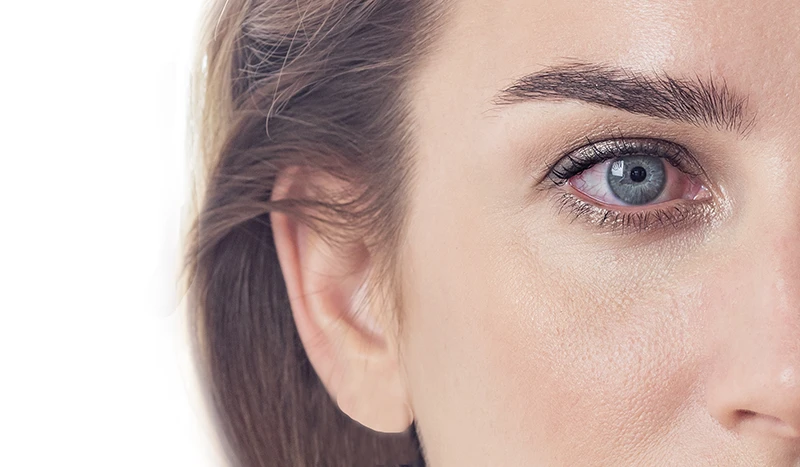
Both conditions can cause:
- Redness
- Burning or stinging
- Watering
- Sensitivity to light
- Blurry vision that comes and goes
The overlap is real, which is why the “internet diagnosis” often misses the mark.
The telltale signs that it’s more likely to be dry eye
Dry eye tends to have a “gritty, tired, end-of-day” vibe, and it’s often worse with screens, air conditioning, or driving.
Common dry eye clues:
- A sand-in-your-eyes sensation
- Symptoms that worsen as the day goes on
- Blurry vision that improves after blinking
- Burning that feels deeper than surface itching
- Contact lenses suddenly feel intolerable
- Stringy mucus or filmy tears
- Feeling worse in windy or cold air
The telltale signs it’s more likely to be allergies
Allergies often announce themselves with itchiness, and they’re frequently tied to certain places, seasons, or exposures.
Common allergy clues:
- Intense itching (especially at the corners of the eyes)
- Puffy lids or under-eye swelling
- Sneezing, runny nose, or congestion alongside eye symptoms
- Symptoms that flare outdoors or around pets/dust
- More tearing than burning
- Both eyes affected at the same time, in a “flare” pattern
What helps (and what can backfire)
A few comfort strategies are generally safe, but the wrong drop can waste time—or aggravate things.
Helpful options you can discuss with your eye doctor:
- Preservative-free lubricating drops for dryness
- Allergy drops when itch is the main issue
- Warm compresses for oil gland support (great for evaporative dry eye)
- Cold compresses for allergy flare-ups
- Simple habit tweaks: blink breaks, screen positioning, humidifier use
What often backfires:
- Using “get the red out” drops regularly (they can rebound and irritate)
- Overusing preserved drops if you’re applying them frequently
- Treating everything like allergies when dryness is driving the problem
If symptoms keep returning, you may need a personalized plan with more tailored care.
When you need a comprehensive eye exam
If your symptoms last more than a week or two, keep recurring, or affect your vision or contact lens comfort, a comprehensive eye exam can help pinpoint what’s happening. Your optometrist can evaluate tear quality, lid margins, and signs of allergy-related inflammation, then recommend targeted options instead of trial-and-error. If you’ve been bouncing between eye drops with mixed results, seeing an experienced eye doctor can save a lot of frustration.
Clearer, calmer eyes start with the right diagnosis
If you need ongoing dry eye treatment or allergy management that fits your lifestyle, schedule an appointment at The Eye Center in Pembroke Pines. We’ll evaluate your symptoms, confirm the cause, and build a plan that helps you feel comfortable again.